October 10, 2026
Waking up to mysterious itchy welts can turn your haven into a source of immense anxiety and stress. Recognizing the early signs of an infestation is crucial before these resilient insects multiply out of control in your living spaces. With these detailed bed bug identification tips from your pest control service, you will be better equipped to protect your home.
Understanding the Threat
Bed bugs are notorious hitchhikers that infiltrate even spotless homes, traveling through luggage, furniture, and clothing. Many homeowners mistakenly believe these pests only thrive in dirty environments, but they are solely attracted to warmth and blood. This indiscriminate nature means anyone can fall victim. The psychological toll of having unwelcome guests feeding on you at night leads to sleep deprivation. A reliable pest control service will emphasize that knowledge is your first line of defense. By understanding how these insects operate, you can take proactive measures to keep them out. Recognizing their presence early prevents a minor intrusion from escalating.
Identifying the Adults
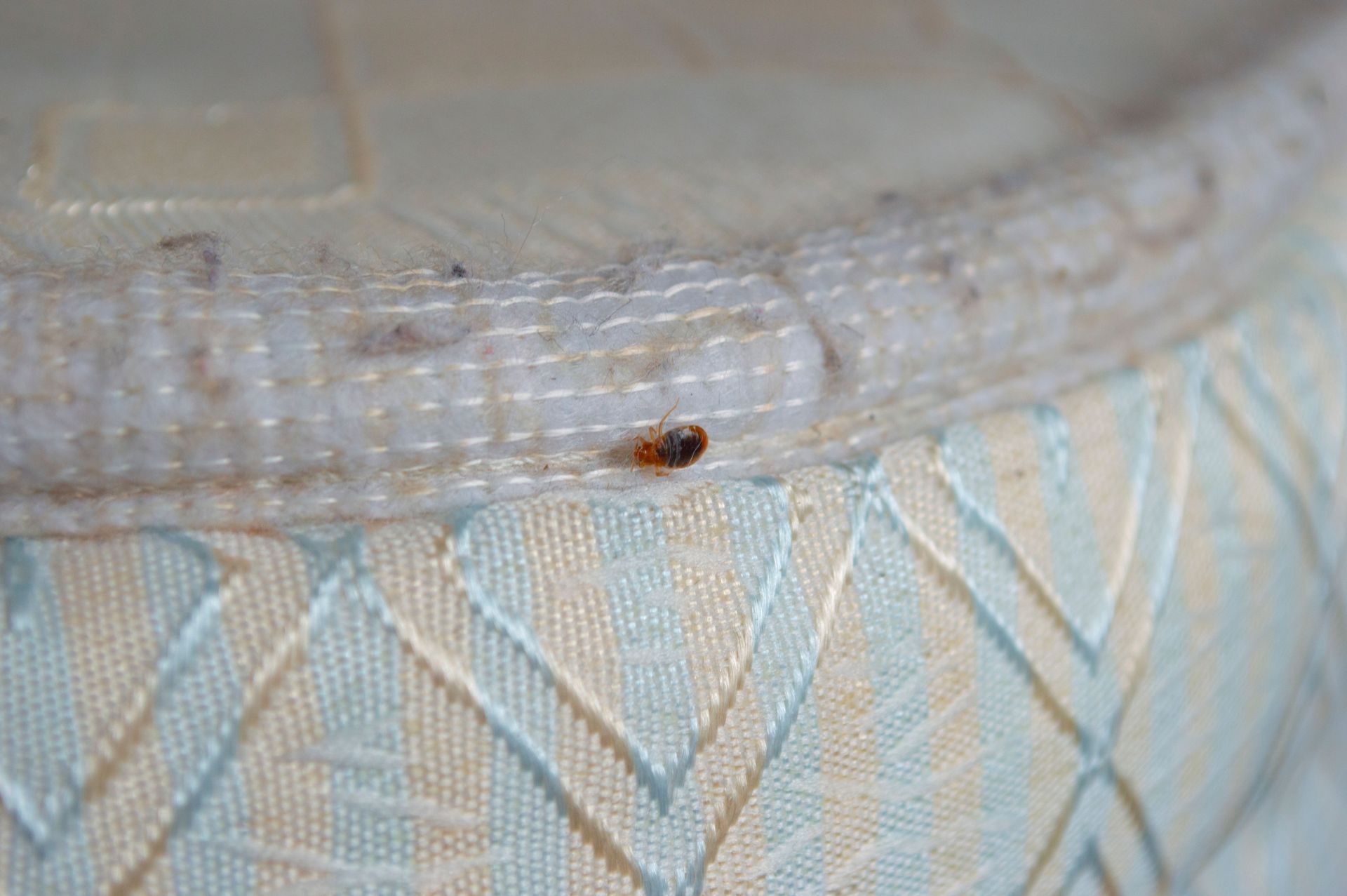
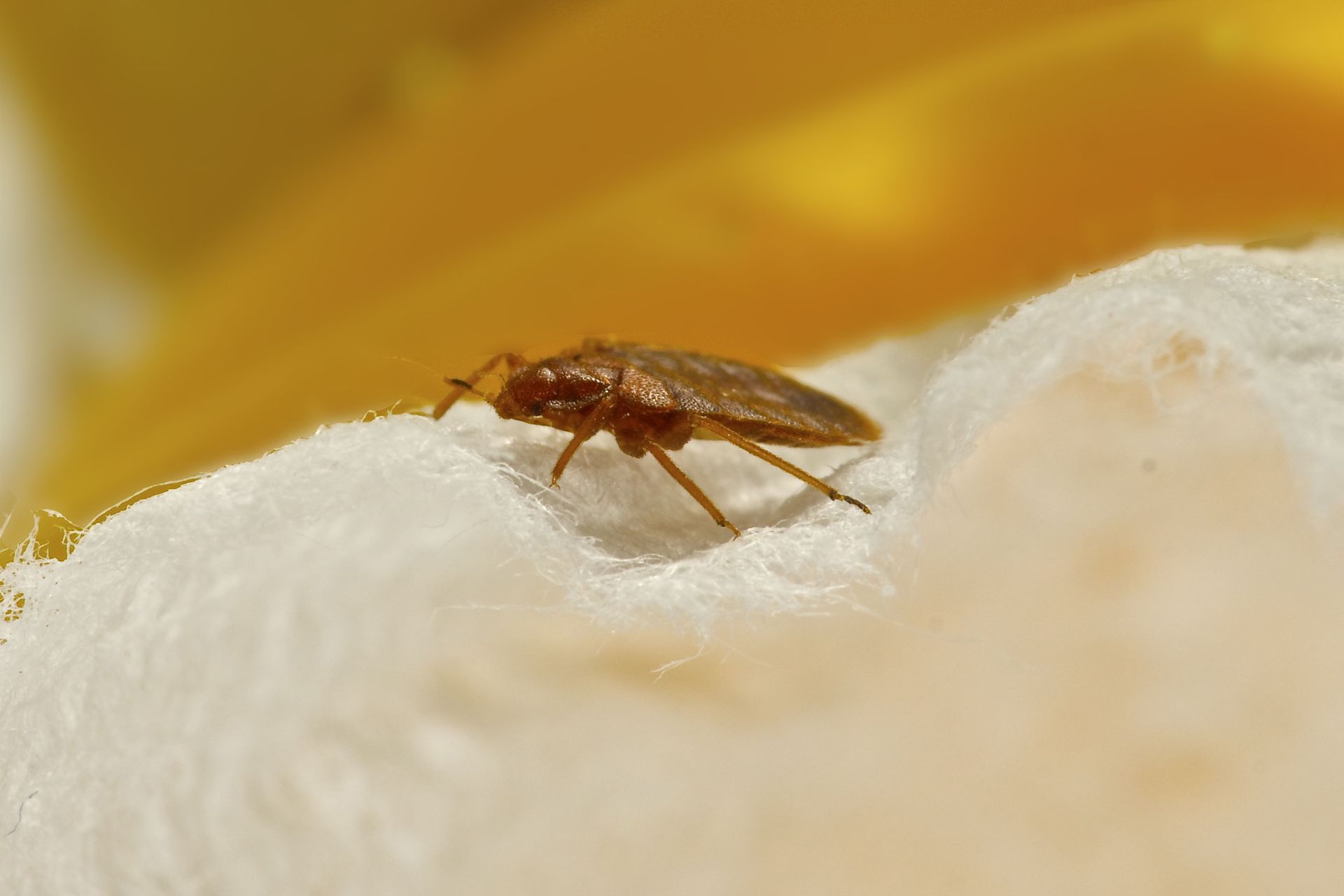
Knowing exactly what you are looking for is essential when inspecting your sleeping quarters for these elusive insects. According to the US Environmental Protection Agency, fully grown bed bugs generally measure between 3/16 and 1/4 of an inch in length. They are frequently compared to an apple seed, sporting a flat, oval silhouette when unfed. Their coloration ranges from light brown to a deeper, reddish-brown hue, particularly after consuming a blood meal. When they feed, their bodies swell and elongate, causing them to look entirely different. Adult bed bugs lack wings, so they cannot fly, relying entirely on their legs to scurry.
Recognizing the Nymphs
While adult bugs are relatively easy to spot, the younger versions, known as nymphs, present a greater challenge. These juvenile insects start their lives nearly translucent, making them incredibly difficult to detect against light-colored bed sheets or mattress fabrics. As they progress through their molting stages, they require a blood meal before shedding their exoskeleton. With each molt, their bodies take on a darker brown tint. Spotting these tiny crawlers is a definitive sign that a breeding population has established itself. An experienced pest control service will warn you that seeing nymphs means the infestation is expanding. Catching them early disrupts their rapid reproductive cycle.
Spotting the Eggs
The earliest stage of the bed bug life cycle is perhaps the most difficult to identify during a visual inspection. The eggs are minuscule, measuring about the size of a single speck of dust, and boast a pearly white color. Female bed bugs lay their eggs in secluded crevices where they remain safely hidden from the open environment. They secrete a sticky substance that adheres the eggs securely to surfaces, meaning they cannot be easily brushed or vacuumed away. You might find them clustered near the seams of mattresses, the joints of wooden bed frames, or behind loose wallpaper. Identifying these eggs requires immense patience and often a magnifying glass.
Locating the Hideouts
Bed bugs possess an extraordinary ability to flatten their bodies, allowing them to squeeze into crevices no thicker than a credit card. During daylight hours, they despise light and movement, choosing to congregate in the tightest spaces near their human hosts. You will rarely catch them wandering across open floors when the sun is out. They prefer the safety of porous materials, heavily favoring fabric and wood over slick surfaces like metal. A seasoned pest control service knows that thorough inspections must cover every conceivable crack within the surrounding area of the bed. Leaving out even one localized nest can result in the population bouncing back.
Inspecting the Mattress
The mattress is universally the first place you should begin your investigation when you suspect an active infestation. You must strip all the bedding, including the fitted sheets and protectors, to get an unobstructed view of the fabric surface. Pay incredibly close attention to the piping, the rolled edges, and the seams, as these folded areas provide the perfect sanctuary for the bugs. You must physically roll back the seams with your fingers, using a bright flashlight to illuminate the deep recesses where insects might hide. Do not forget to flip the mattress over to inspect the underside. The box spring is equally vulnerable.
Checking the Furniture
Once you have thoroughly examined the bed, you must expand your search radius to include the surrounding bedroom furniture and fixtures. Nightstands and bedside tables are notorious hotspots, particularly within the metal tracks of the drawers or underneath the wooden baseboards. You should remove every drawer and inspect the joints, screw holes, and dark corners. Upholstered chairs or decorative benches situated near the bed offer excellent alternative nesting grounds, complete with folded fabrics and deep cushions for concealment. Even innocuous items like picture frames, electrical outlets, and wall clocks provide enough of a gap for these insects to squeeze behind safely.
Analyzing the Stains
Sometimes, the pests manage to evade your sight, but they almost always leave behind unmistakable evidence of their nighttime activities. You should look for tiny, rust-colored or reddish stains on your sheets, pillowcases, or pajamas, which occur when a bug is accidentally crushed during its feeding process. Additionally, these insects leave behind fecal spots that resemble small dots of ink from a permanent marker that has bled into the fabric. These dark spots are typically concentrated near their hiding places, slowly accumulating along mattress seams. Unlike dirt, these spots will smear slightly if wiped with a damp cloth, confirming their biological origin.
Assessing the Bites
For many individuals, physical reactions on their skin are the very first indication that their bedroom has been compromised. Bed bug bites often present as small, red, intensely itchy welts that appear on areas left exposed during sleep, such as the arms, shoulders, and neck. They frequently bite in a distinctive linear pattern or a clustered group. It is crucial to understand that human reactions to these bites vary wildly; some people develop severe allergic welts, while others exhibit no physical symptoms whatsoever. Because bite marks closely mimic those of fleas or mosquitoes, relying solely on skin irritation is never a foolproof method.
Contacting the Professionals
When your diligent searching uncovers undeniable proof of these parasitic insects, it is time to halt any do-it-yourself treatments immediately. Over-the-counter bug bombs generally fail to penetrate the deep crevices where the pests hide, causing them to scatter and spread deeper into walls. Hiring a reputable pest control service is the only guaranteed method for completely eradicating an established population safely and efficiently. These highly trained experts possess the sophisticated equipment and biological understanding required to break the reproductive cycle permanently. They will conduct a comprehensive assessment of your property, formulate a customized eradication plan, and provide ongoing monitoring to ensure lasting success.
Reclaiming your home from these persistent nocturnal pests requires unwavering vigilance and a keen eye for the subtle warning signs. By applying these comprehensive identification tips, you can detect an intrusion early on before it spirals out of control. Never hesitate to seek professional assistance when you need absolute certainty, lasting peace of mind, and a truly pest-free home. For more information on how to identify bed bugs within your home and sleeping areas, please contact Brown Pest Control Inc.