May 5, 2026
Ignoring regular pest control may seem harmless at first, especially if you only spot a few bugs or don’t see obvious signs of infestation. However, pests rarely stay small problems for long. What begins as a minor nuisance can quickly turn into a serious health, structural, and financial issue. Professional pest services are designed not just to eliminate visible pests, but to stop the hidden damage they cause behind walls, under floors, and in hard-to-reach spaces.
Health Risks of Untreated Infestations
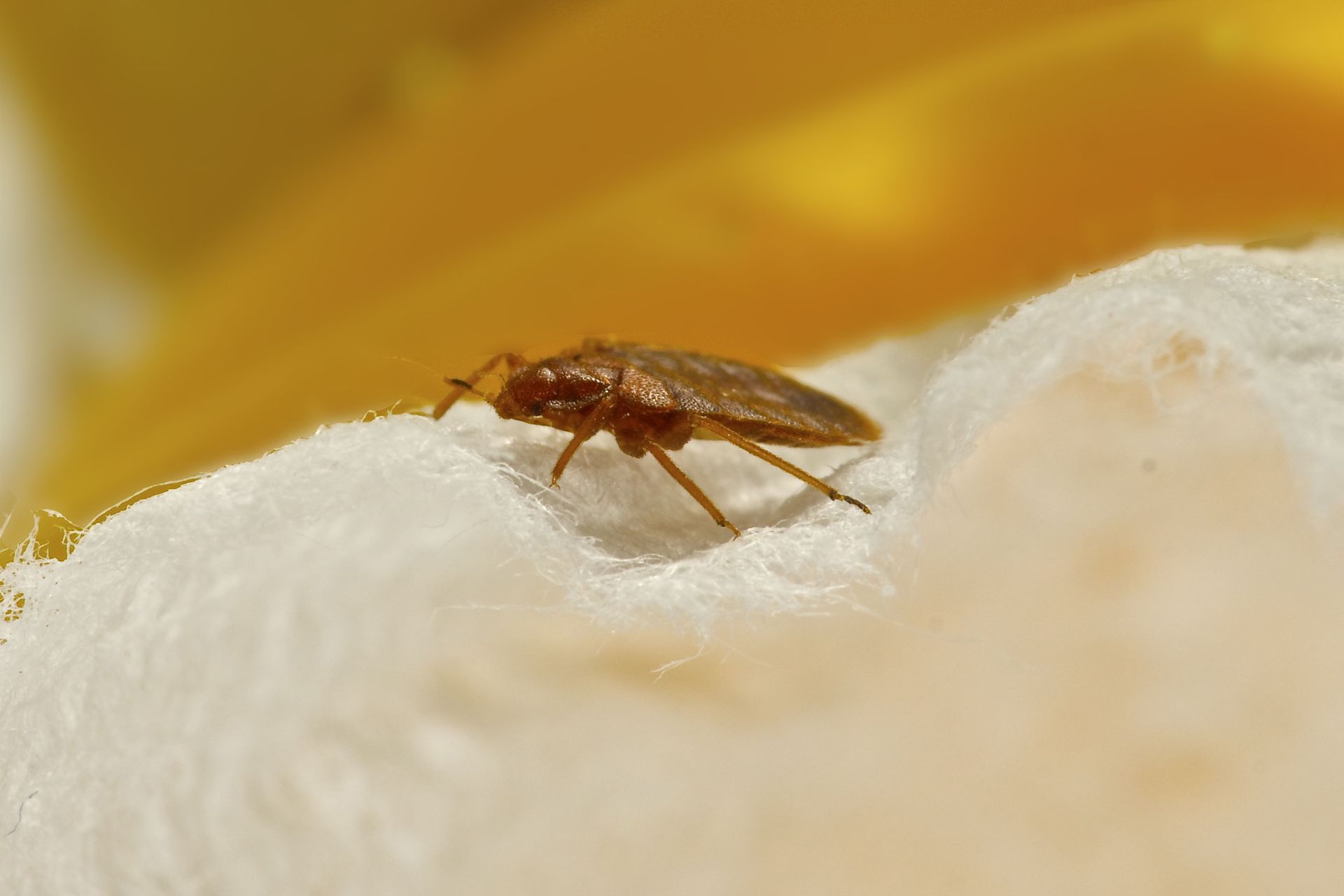
One of the most serious consequences of neglecting pest treatment is the impact on human health. Many pests carry bacteria, allergens, and pathogens that spread through droppings, saliva, and shed body parts. Without proper pest services, these contaminants accumulate in living spaces over time.
Indoor Air Contamination Risks
Pests such as cockroaches and rodents can contaminate indoor air quality by leaving behind microscopic waste particles. These particles can become airborne and circulate through HVAC systems, increasing exposure throughout the home.
Food and Surface Contamination Risks
Without consistent treatment, pests can easily access kitchens and pantries. They contaminate food supplies, countertops, and utensils, increasing the risk of foodborne illness and allergic reactions.
Respiratory and Allergy Triggers
Dust, droppings, and pest debris can worsen asthma and allergies, especially in children and older adults. Regular pest services help reduce these triggers by eliminating the source of contamination.
Disease Transmission Risks
Many pests act as carriers of harmful bacteria and viruses. Skipping pest control increases the likelihood of exposure to diseases transmitted through contact or contaminated surfaces.
Structural Damage from Untreated Infestations
When pest problems are left untreated, the damage is rarely limited to what you can see on the surface. Many pests actively feed on or destroy building materials, slowly weakening a home's structure. Without professional pest services, these issues can go unnoticed until repairs become extensive and expensive.
Wood Damage and Structural Weakening
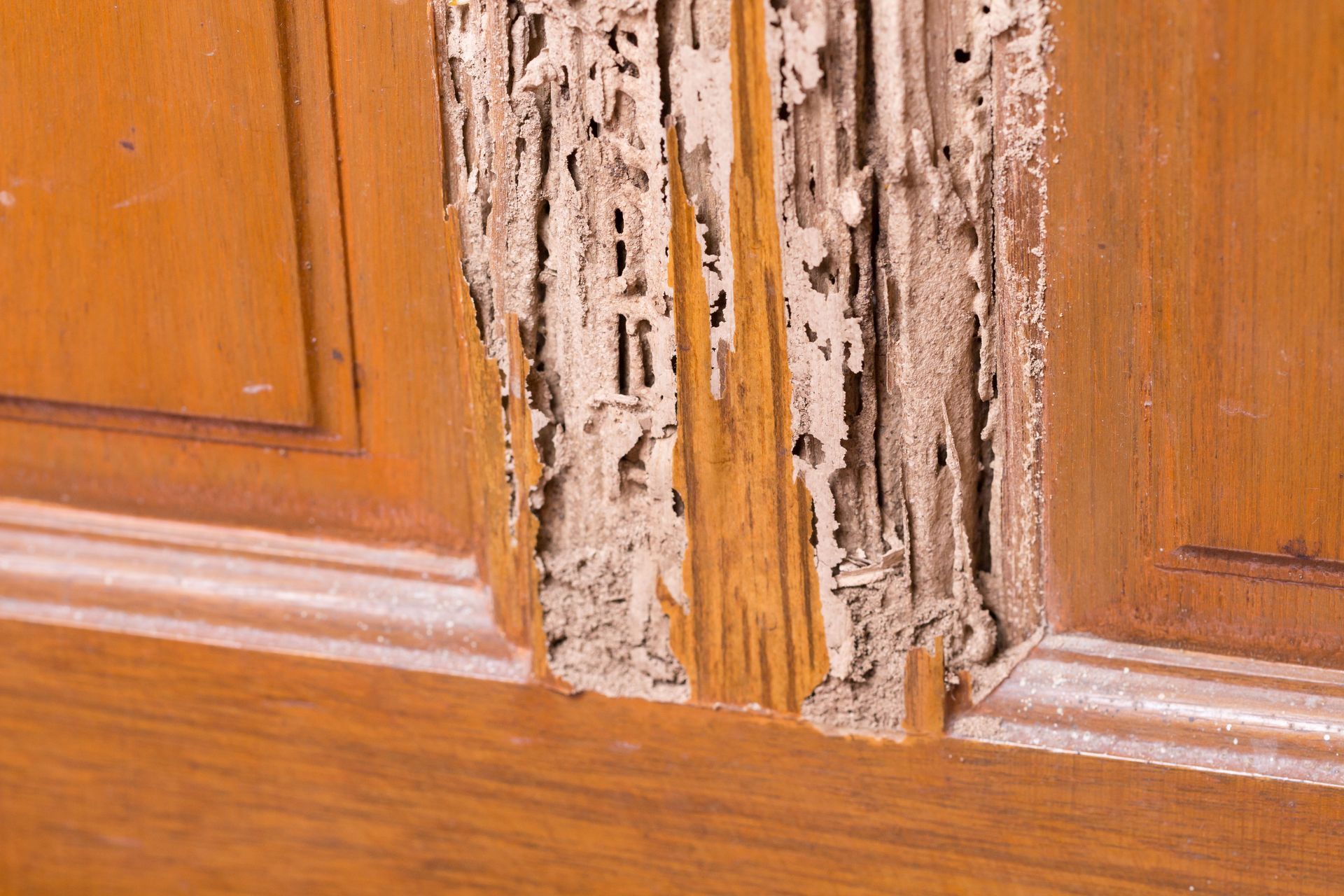
Certain pests, especially termites and carpenter ants, target wood as a food source or nesting material. They often work from the inside out, hollowing beams, floor joists, and framing while leaving the outer surface intact. This makes the damage difficult to detect early. Over time, this hidden destruction can compromise load-bearing structures and pose serious safety risks if pest control is not implemented.
Electrical System Hazards
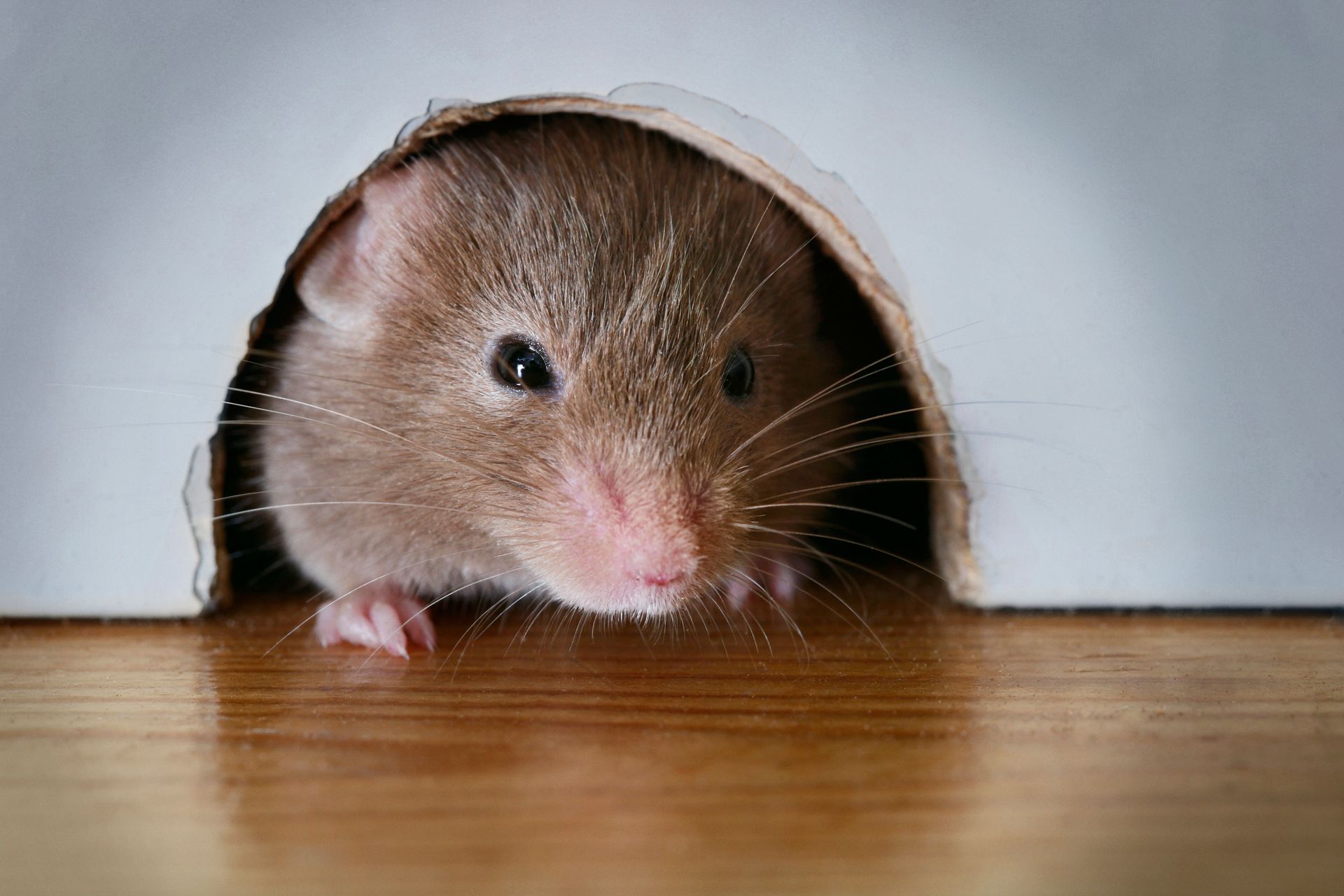
Rodents often chew through wiring insulation. This not only leads to costly repairs but also increases the risk of electrical fires. Over time, exposed wiring can create dangerous short circuits within walls.
Insulation and Wall Damage
Many pests burrow into insulation materials for nesting. This reduces energy efficiency and leads to higher utility bills. Damaged insulation can also make it harder to maintain consistent indoor temperatures.
Hidden Wall and Ceiling Infestations
One of the most dangerous aspects of unchecked infestations is what happens behind walls and ceilings. Pests can create extensive tunnel systems, nests, and entry pathways that remain completely invisible from the outside. By the time visible signs appear, such as sagging drywall, staining, or unusual odors, the damage is often already advanced. Regular pest inspections help identify these hidden issues early, preventing long-term structural deterioration.
Financial Costs of Delayed Treatment
Skipping routine pest services may save money in the short term, but it often leads to much higher expenses later. The longer an infestation goes untreated, the more expensive the outcome becomes.
Rising Repair Costs Over Time
Small pest problems escalate into structural damage that requires extensive repairs, including drywall replacement, wiring fixes, and flooring reconstruction. Delaying treatment often results in significantly higher restoration expenses.
Increased Utility Bills
Pest-related damage to insulation and HVAC systems forces heating and cooling systems to work harder, increasing energy consumption. This strain can also shorten the lifespan of your HVAC equipment.
Food Replacement Expenses
Contaminated food must be discarded, and repeated infestations can lead to ongoing waste if proper pest control is not in place. This can quickly add up to a noticeable increase in grocery costs.
Property Value Decline
Homes with a history of pest damage or visible infestation signs may lose market value or require costly remediation before selling. Buyers may also be discouraged by the potential for recurring issues.
Rapid Spread of Infestations Without Intervention
Pests reproduce quickly, and without pest treatment, infestations can spiral out of control in a short period of time. Many common household pests, such as cockroaches, rodents, and ants, have rapid life cycles and can multiply exponentially under the right conditions. A single overlooked nest or entry point can lead to dozens or even hundreds of new pests within just a few weeks.
Rapid Reproduction Cycles
Many pests, such as cockroaches and rodents, reproduce at alarming rates. A small issue can become a full infestation in weeks. This rapid growth makes early intervention especially important.
Hidden Nest Expansion
Pests often build nests in hidden areas, allowing populations to grow undetected until they become widespread. By the time signs appear, the infestation may already be extensive.
Migration Between Rooms and Structures
Once established, pests move easily through walls, plumbing, and vents, spreading across multiple areas of the home. This mobility makes containment more difficult without professional help.
Environmental Adaptation and Survival
Pests adapt quickly to environments where no pest control measures are in place, making them harder to eliminate over time. Some species can even develop resistance to common treatments.
Limitations of DIY Pest Control Solutions
While DIY pest products are widely available and often seem like a quick, affordable fix, they rarely solve the real problem. In most cases, they only address what you can see on the surface, not the hidden infestation driving the issue. Without professional pest treatment, pests often return, sometimes in larger numbers than before.
Surface-Level Treatment Limitations
Most store-bought sprays, traps, and baits are designed to eliminate visible pests on contact. The problem is that most infestations are hidden deep inside walls, under flooring, in crawl spaces, or behind appliances. Killing a few visible pests does little to impact the colony itself. As a result, the root of the infestation remains untouched, allowing the cycle to continue.
Lack of Long-Term Prevention
Without ongoing strategies, pests often return after short-term DIY treatments fail, because the underlying nests, entry points, and breeding sources are rarely fully eliminated without professional pest control.
Incomplete Infestation Elimination
Even when DIY efforts reduce visible pest activity, they rarely eliminate the entire population. Eggs, larvae, and hidden nests are often left behind, allowing the infestation to rebound quickly. Professional pest treatments are designed to disrupt the pest life cycle at multiple stages, ensuring complete elimination rather than temporary suppression. This comprehensive approach is what ultimately prevents reinfestation and protects the home long-term.
Severity of Cockroach Infestations
Some pests pose even greater risks due to their biological impact on indoor environments. For example, according to WUSF, a single female German cockroach can generate 5,000 units of inflammatory endotoxins through its feces every day. This highlights how quickly a small infestation can affect indoor air quality and overall health when pest control is neglected.
Importance of Professional Pest Control
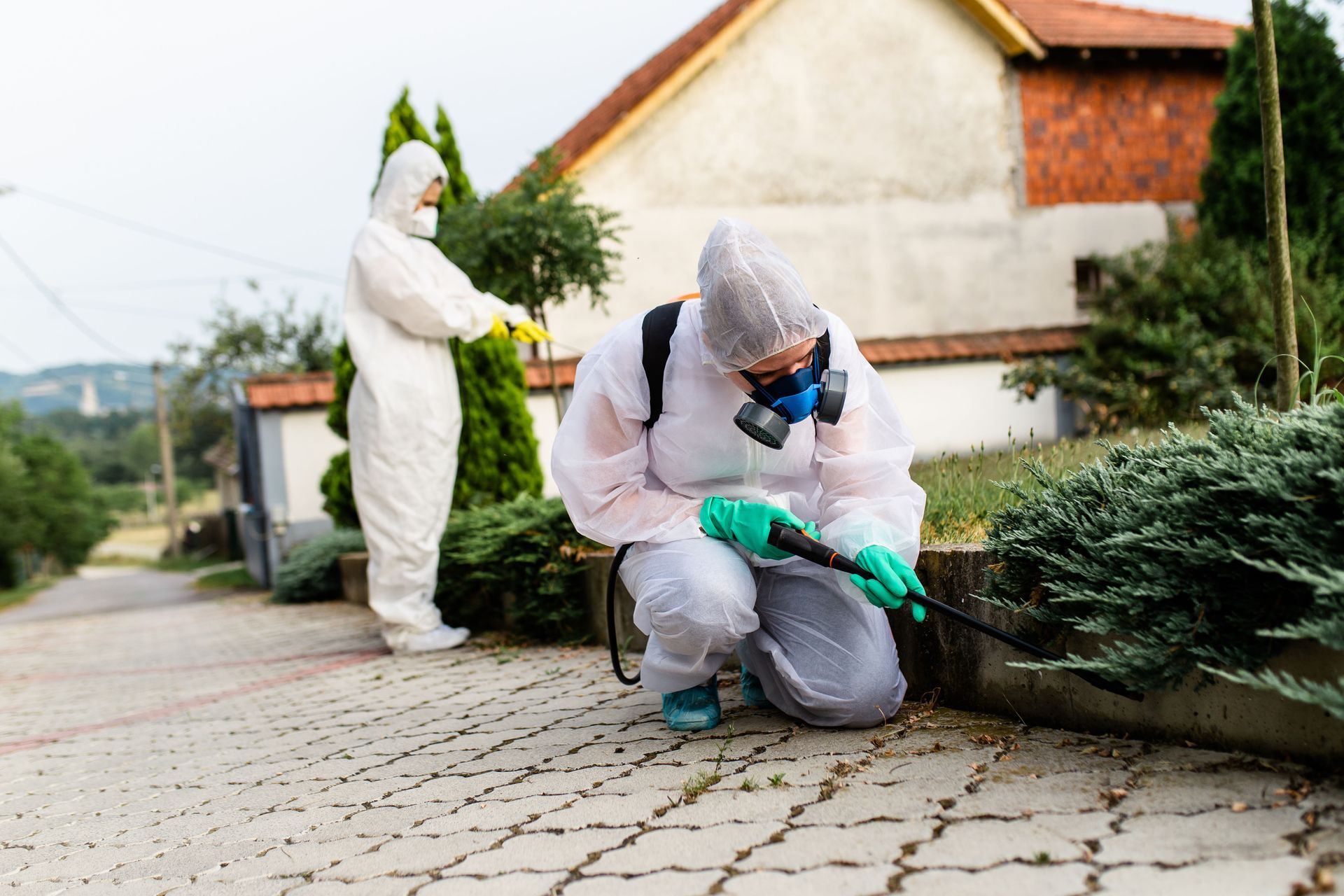
Investing in professional pest services is not just about removing pests; it is about protecting your home, your health, and your long-term financial well-being. Experts use targeted treatments, preventative strategies, and ongoing monitoring to ensure infestations do not return.
Skipping
pest control may seem like a minor decision, but the consequences grow quickly and often remain hidden until significant damage has already occurred. From structural deterioration to health risks and financial strain, pests can quietly affect nearly every part of a home. For reliable, long-term protection and expert solutions tailored to your property, contact Brown Pest Control Inc. today and take the first step toward a pest-free home.