May 28, 2026
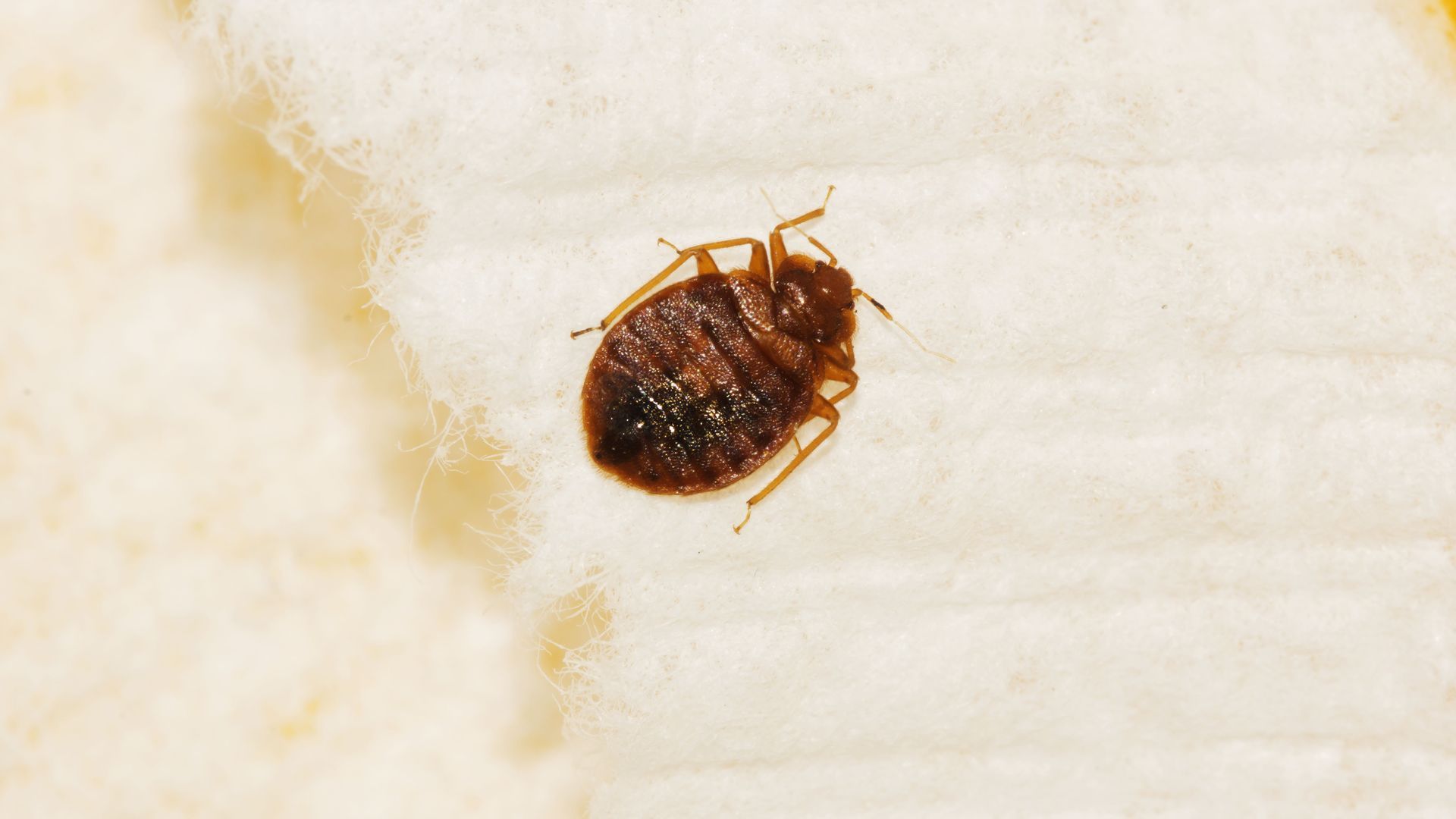
Bed bugs are among the most persistent household pests because they spread quietly and often go unnoticed until an infestation is already established. Many homeowners assume they would immediately recognize the problem, but these insects are highly skilled at hiding in mattress seams, furniture joints, and small cracks throughout the home. This allows them to multiply and spread before clear signs appear, which is why local exterminators consistently emphasize prevention over treatment.
These pests are not linked to cleanliness. They can enter any home through travel, used furniture, visitors, or shared living environments. Once inside, they reproduce quickly and move easily from room to room. Because of this, even a small introduction can turn into a larger issue if not addressed early. Understanding their behavior and learning simple prevention habits is essential for reducing risk.
Most effective prevention strategies are practical and easy to maintain. They focus on awareness, routine inspection, and reducing hiding opportunities. With consistent habits, homeowners can significantly lower the likelihood of an infestation. The following insights reflect what local exterminators commonly share with homeowners who want to stay ahead of bed bug problems.
Recognizing Early Warning Signs of Activity
Early detection is one of the most important parts of bed bug prevention. The initial signs are often subtle and easy to overlook. Small red bite marks on the skin, tiny dark stains on sheets, or faint rust-colored spots near bedding may indicate activity. While these signs do not always confirm bed bugs, they should always prompt closer inspection.
Bed bugs are nocturnal and typically feed while people sleep, which makes them difficult to spot directly. During the day, they hide in mattress seams, headboards, couches, and baseboards. Because of this behavior, homeowners rarely see them in the early stages. Local exterminators recommend slow, detailed inspections using a flashlight to check seams, folds, and corners carefully.
Bed bugs are also highly mobile. According to the Centers for Disease Control and Prevention, they can travel more than 100 feet in a single night. This movement allows them to spread quickly between rooms and even apartments. Early recognition is critical because it limits how far they can establish themselves in a home.
Reducing Clutter and Limiting Hiding Spaces
Clutter creates ideal conditions for bed bugs to remain undetected. Piles of clothing, stacked boxes, and overcrowded storage areas provide countless hiding places. When clutter increases, inspections become more difficult and infestations are more likely to spread unnoticed.
Reducing clutter does not require major changes. Simple habits like keeping floors clear, organizing closets, and storing unused items in sealed containers can make a noticeable difference. Bedrooms and living spaces should be kept as open and accessible as possible for easier inspection.
Local exterminators often point out that clutter does not attract bed bugs, but it allows them to survive longer without detection. Fewer hiding places mean earlier identification of problems and more effective treatment if needed. Consistency in organization is one of the most practical forms of prevention.
Inspecting Furniture and Bedding Regularly
Routine inspections are a simple but powerful prevention method. Many infestations grow because homeowners do not check furniture until visible signs appear. Regular inspection of mattresses, bedding, and upholstered furniture helps identify problems early.
Bed bugs prefer tight, hidden spaces such as mattress seams, bed frames, couch cushions, and fabric folds. During inspections, homeowners should look for small dark spots, shed skins, or tiny white eggs. Using a flashlight improves visibility in these hard-to-see areas.
Secondhand furniture requires extra caution. Used couches, chairs, and mattresses may contain hidden pests that are not immediately visible. Local exterminators strongly recommend inspecting all used furniture carefully before bringing it into the home. This simple step helps prevent introducing bed bugs into a clean environment.
Maintaining Cleaning and Vacuuming Habits
Consistent cleaning habits play an important role in reducing bed bug risk. Vacuuming floors, baseboards, and furniture helps remove debris and potential pests before they establish themselves. While cleaning alone will not eliminate an infestation, it reduces hiding opportunities and supports early detection.
It is a common misconception that bed bugs only affect dirty homes. In reality, they can survive in both clean and cluttered environments. Cleaning helps improve visibility and makes it easier to notice early signs of activity.
Local exterminators recommend simple weekly routines such as vacuuming sleeping areas, washing bedding in hot water, and drying items on high heat. These consistent habits help maintain a lower-risk environment and support long-term prevention efforts.
Protecting Mattresses and Upholstered Furniture
Since bed bugs are closely tied to sleeping areas, protecting mattresses and upholstered furniture is essential. These locations provide direct access to human hosts, making them the most common starting points for infestations.
Mattress encasements are a widely recommended prevention tool. These covers fully seal mattresses and box springs, preventing bed bugs from entering or escaping hidden areas. They also make inspections easier by exposing activity on the surface rather than inside the mattress.
Furniture in living spaces should also be monitored regularly. Couches, recliners, and chairs should be inspected for signs of activity and kept clean. Avoid placing personal items on shared or public furniture, as bed bugs can transfer between fabrics easily.
Monitoring Travel and Shared Spaces Carefully
Travel is one of the most common ways bed bugs are introduced into homes. Hotels, vacation rentals, dormitories, and public transportation all create opportunities for exposure. Because bed bugs can attach to luggage and clothing, even brief contact with infested areas can lead to transfer.
Before using a hotel room, inspecting mattress seams, headboards, and nearby furniture is a useful habit. Luggage should remain elevated on racks rather than placed on beds or floors. Clothing should stay contained in bags or suitcases until it can be washed properly.
After returning home, washing all travel clothing in hot water and drying on high heat is strongly recommended. Suitcases should also be inspected and vacuumed before storage. Local exterminators often remind homeowners that bed bugs are excellent hitchhikers, and even one insect can eventually lead to a larger infestation.
Responding Quickly and Seeking Help Early
Delaying action is one of the most common reasons bed bug infestations become severe. Many homeowners assume bites or stains will go away on their own or mistake them for other insect issues. Unfortunately, bed bugs continue to reproduce and spread when left untreated.
Professional inspection is often the most reliable way to confirm an infestation. Pest specialists understand where to look and how to identify subtle signs that may be missed during routine home checks. They also have access to targeted treatment methods that are more effective than general DIY solutions.
Local exterminators emphasize that bed bugs are not related to cleanliness or household conditions. They can affect any home. Acting quickly and seeking professional help early increases the chance of successful treatment and reduces long-term disruption.
Bed bug prevention relies on awareness, consistency, and simple daily habits. Regular inspections, reduced clutter, careful cleaning, and travel precautions all help lower the risk of infestation. While no home is completely immune, these steps significantly reduce the chances of bed bugs becoming established.
Understanding how bed bugs behave allows homeowners to respond quickly and effectively when early signs appear. Small preventative actions taken consistently are far more effective than delayed treatment after an infestation spreads. For professional support and dependable pest prevention services, contact Brown Pest Control Inc.