October 16, 2026
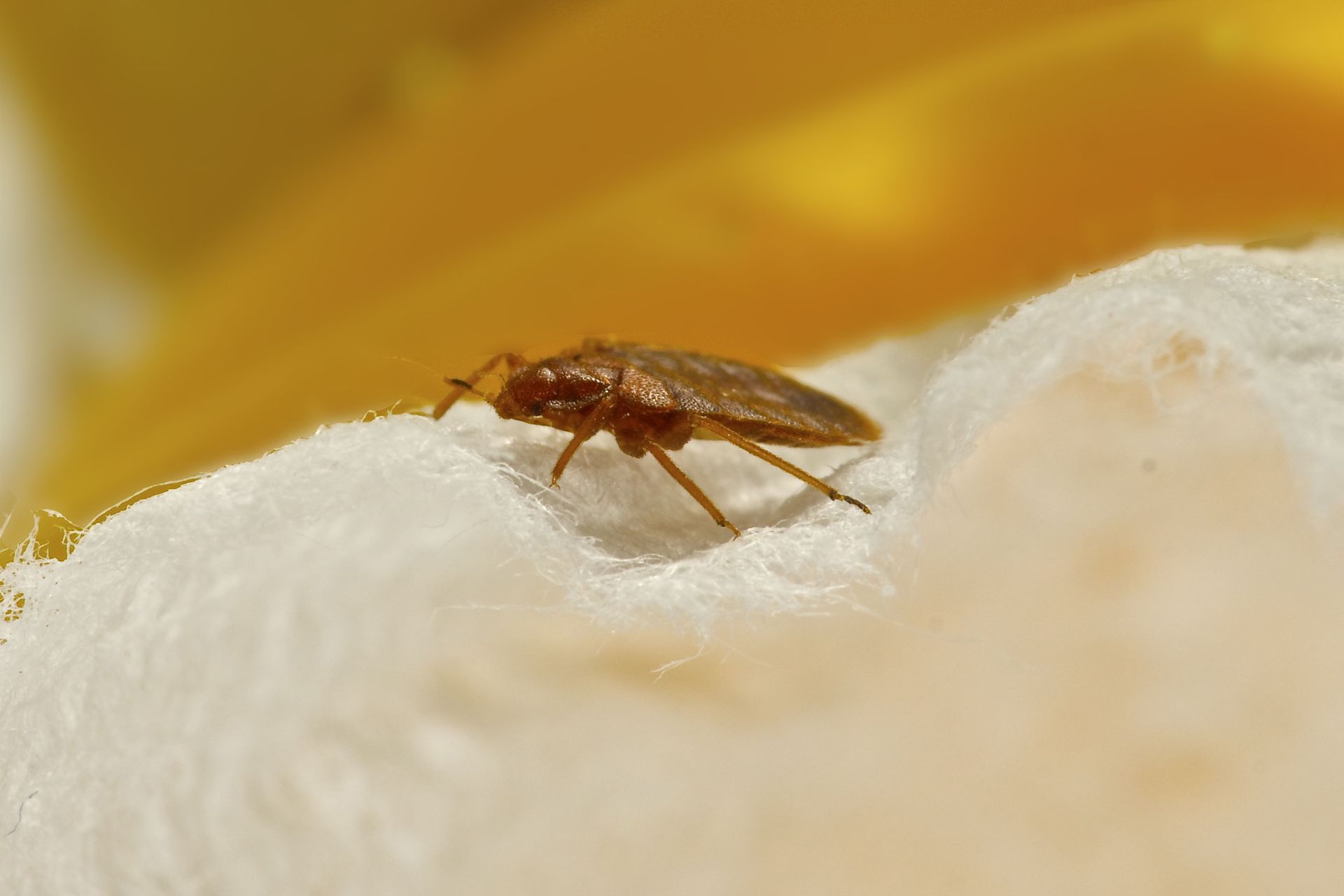
Bed bugs are small, persistent pests that can settle into surprisingly narrow spaces around a home. Because they stay out of sight during the day, spotting one does not always reveal the full extent of an infestation. Knowing where these insects commonly hide can help homeowners recognize warning signs and understand when professional help may be appropriate.
Bed bugs are attracted to places where people rest for extended periods. Bedrooms are common areas for activity, but these pests can also move into living rooms, guest rooms, and other spaces where people spend time. They do not build nests in the traditional sense. Instead, they gather in protected cracks, seams, folds, and crevices near a host.
Understanding their preferred hiding places can make an inspection more informative. Professional pest control can also identify areas that may be overlooked during a quick visual inspection.
Hiding Near Mattress Seams
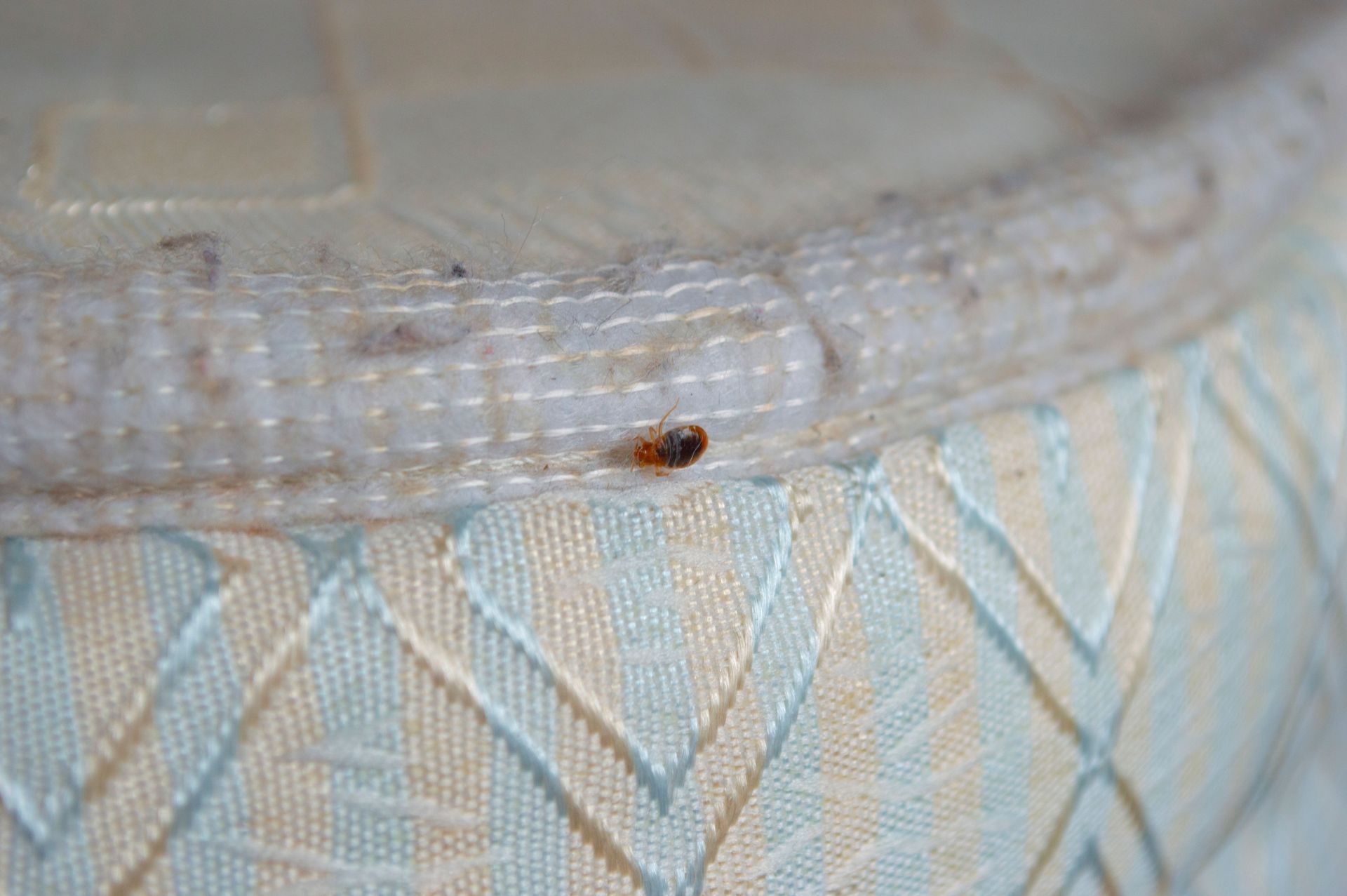
Mattress seams are among the most recognizable hiding places for bed bugs. Their flattened bodies allow them to fit into narrow gaps, particularly along piping, tags, handles, and stitched edges. They may remain tucked into these areas during daylight and become more active when people are resting.
A bedroom does not need to appear unclean for bed bugs to be present. Their presence is not a reflection of housekeeping habits. These pests are primarily interested in access to a blood meal and suitable places to remain concealed between feedings.
Settling Around Box Springs
Box springs provide a network of concealed spaces. Their fabric coverings, wooden frames, corners, and internal structures can create protected areas where bed bugs remain difficult to see. Activity may be concentrated around the lower edges or near places where the box spring contacts the bed frame.
If signs continue after visible insects are found near the mattress, the surrounding bed structure deserves attention. A professional inspection can help determine whether the activity extends beyond the obvious location.
Gathering Around Bed Frames
Bed frames can offer more hiding places than their simple appearance suggests. Wooden frames may contain joints, screw holes, cracks, and seams that provide narrow shelters. Metal frames can also have hollow sections, connection points, and crevices where insects remain concealed.
A careful inspection should consider the entire sleeping area rather than focusing only on the mattress. This broader view can reveal patterns of activity that might otherwise be missed.
Remaining Behind Headboards
Headboards are another favored location because they sit directly beside the bed while offering protected surfaces. Bed bugs may hide behind the headboard, along its edges, or inside cracks where it connects to the wall or frame.
When activity is suspected around a bed, examining the headboard and its connection points can provide useful information. This area is especially important when the mattress itself does not show obvious evidence.
Hiding Inside Bedroom Furniture
Nightstands, dressers, and other bedroom furniture can provide convenient hiding locations. Bed bugs may settle into drawer joints, underside edges, screw holes, cracks, and spaces where pieces meet. Furniture positioned close to the bed can become part of the same area of activity.
Professional pest control services consider surrounding furniture because treating or inspecting only the mattress may overlook other locations where bed bugs are established.
Moving Into Upholstered Furniture
Couches, recliners, chairs, and other upholstered furniture can become hiding areas when people regularly spend time there. Bed bugs may settle along cushion seams, underneath cushions, around zippers, or inside upholstery folds.
Living rooms can be important when people regularly sleep on couches or spend long periods resting there. Once bed bugs are established in one room, they may spread to nearby areas.
The presence of bed bugs in a living room does not necessarily mean the infestation began there. These insects can be transported through belongings, clothing, luggage, furniture, or other items. Identifying current hiding places is therefore important when determining the extent of activity.
Remaining Along Baseboards
Baseboards can offer additional shelter, particularly where walls meet floors or where small gaps exist behind trim. Bed bugs may move into these spaces when populations become established beyond the immediate sleeping area.
Cracks around flooring transitions, wall trim, and other structural features can also provide temporary refuge. These locations are easy to overlook because they are outside the areas most people associate with bed bugs.
Signs near baseboards may indicate that activity has extended farther from the bed. Finding insects or evidence in these areas can be a reason to arrange professional pest control rather than assuming the problem is limited to bedding.
Hiding Behind Wall Fixtures
Wall fixtures and nearby openings can provide additional concealment. Bed bugs may hide around loose trim, behind wall-mounted objects, or in small gaps associated with fixtures. In some situations, they can move through narrow openings between connected spaces.
If activity appears in several parts of a room, a professional may evaluate nearby structural hiding places in addition to furniture and bedding.
Recognizing Signs Beyond Live Bugs
Finding a live bed bug is not the only indication of an infestation. Small dark stains, pale shed skins, eggs, eggshells, and tiny reddish marks can also provide clues. Bites may occur, but reactions vary from person to person, so skin irritation alone cannot confirm an infestation.
According to Forbes, a female bed bug can typically produce between 200 and 250 eggs over her 3 to 4 month lifespan. That reproductive potential helps explain why recognizing an infestation early can be important. A small number of visible insects may not represent the total population because eggs, nymphs, and adults can occupy different hiding places.
The absence of obvious insects does not necessarily mean the problem has disappeared. Bed bugs are adept at remaining concealed, which is why professional pest control can be valuable when multiple signs point toward activity.
Understanding Seasonal Bed Bug Activity
Bed bugs are not strictly seasonal pests. They can remain active indoors throughout the year because homes provide stable temperatures and regular access to people. However, changes in household routines can increase opportunities for these pests to enter or spread.
Travel, visits from guests, moves, and increased time spent away from home can all introduce opportunities for bed bugs to hitchhike. As colder weather encourages people to spend more time indoors, noticing unusual bites or signs around sleeping and resting areas may prompt closer attention.
During fall and winter, homes can remain suitable environments for bed bugs even when outdoor temperatures drop. Professional pest control can help address suspected activity while considering the conditions inside the property.
Preventing Hidden Activity From Spreading
When bed bugs are suspected, prompt professional attention can help limit opportunities for an infestation to spread. Moving furniture unnecessarily, relocating sleeping arrangements, or carrying belongings from one room to another may unintentionally distribute insects.
Keeping suspected areas accessible can help professionals inspect them more effectively. It is also useful to share information about where signs were noticed, when they appeared, and whether activity has been seen in more than one room.
A qualified professional can provide pest control guidance, evaluate the property, identify likely hiding areas, and recommend an appropriate treatment approach. This is particularly important because bed bugs can occupy multiple locations at once, making a focused response more complicated than addressing a single visible insect.
Knowing where bed bugs hide provides useful context, but finding one does not require panic. These pests can be addressed with an informed, professional approach tailored to the property and the extent of activity. For dependable pest control guidance and assistance addressing suspected bed bug activity, contact Brown Pest Control Inc today for professional service.